
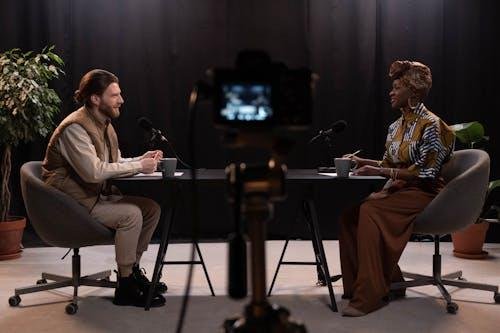
The creative industries have undergone a structural transformation. Musicians record across continents. Filmmakers coordinate editors, colorists, and sound designers in different time zones. Video creators manage distributed production teams without sharing physical studio space. In this environment, remote collaboration tools are no longer optional conveniences; they are essential infrastructure.
Cloud-based platforms, real-time feedback systems, and structured version control allow creators to work efficiently without sacrificing artistic control. These technologies ensure that collaboration remains fluid while creative integrity stays intact. For independent filmmakers and musicians especially, remote workflows reduce costs, expand access to global talent, and accelerate production timelines.
As digital ecosystems evolve, platforms like Artramedia further complement this shift by offering distribution, licensing, and monetization solutions tailored to creators who operate in flexible, distributed environments. Together, collaboration tools and supportive distribution platforms empower artists to build sustainable careers.
The Rise of Distributed Creative Teams
Creative collaboration was once confined to studios, production houses, and rehearsal spaces. Today, talent is global. A composer in Berlin may score a film edited in Toronto. A documentary team may include researchers in London, cinematographers in Nairobi, and producers in Los Angeles.
Distributed teams expand creative possibility. However, distance introduces complexity. Communication gaps, file management errors, and inconsistent feedback cycles can disrupt momentum.
This is where structured systems become critical. Thoughtfully implemented remote collaboration tools reduce friction by centralizing communication and project assets. Instead of relying on fragmented email threads or outdated file transfers, teams operate within organized digital environments designed for clarity and efficiency.
Cloud-Based Software as the Backbone of Modern Production
Cloud infrastructure enables real-time access to shared files, scripts, edits, and audio stems. Rather than transferring large files manually, collaborators upload assets to secure cloud environments where authorized team members can access updates instantly.
For filmmakers, this may involve collaborative editing platforms or shared production boards. For musicians, cloud-based digital audio workstations allow session files to be exchanged seamlessly. Version histories track changes, reducing confusion and preventing accidental overwrites.
Cloud technology ensures that creative projects remain accessible and protected. With proper structure, teams maintain productivity without compromising artistic direction. This reliability is central to effective remote collaboration tools.
Real-Time Feedback and Iterative Creativity
Creative work thrives on feedback. Directors refine cuts based on editor insights. Producers respond to audience test screenings. Musicians adjust arrangements after hearing collaborative input.
Real-time commenting systems embedded within editing or audio platforms streamline this process. Instead of compiling disconnected notes, collaborators annotate specific timestamps. Feedback becomes contextual, precise, and actionable.
This immediacy shortens revision cycles. It also reduces misunderstandings that often arise from vague communication. By embedding commentary directly within project files, remote collaboration tools preserve clarity and enhance efficiency across distributed teams.

Version Control: Protecting Creative Integrity
One of the most significant risks in remote workflows is version confusion. Without structured version control, teams may work on outdated files or overwrite essential edits.
Version tracking systems log each revision, allowing creators to revert to previous iterations when necessary. This protects the creative process from irreversible mistakes. It also provides transparency regarding contributions, ensuring accountability across teams.
For large-scale documentary projects or multi-track music productions, version clarity is essential. Organized revision management safeguards artistic intent while allowing experimentation: a balance that defines successful collaborative work.
Enhancing Productivity Without Sacrificing Quality
Speed alone does not define productivity. True productivity combines efficiency with excellence. Remote collaboration systems enable faster communication and streamlined workflows, but their real value lies in preserving quality under complex conditions.
Centralized dashboards, task tracking, and milestone monitoring ensure that projects stay on schedule. At the same time, secure asset storage protects original recordings and footage.
When integrated thoughtfully, remote collaboration tools allow creators to move quickly without compromising depth or detail. This balance is particularly valuable for independent creators managing limited resources.
Expanding Access to Global Talent
Remote workflows eliminate geographic barriers. Filmmakers can hire niche experts regardless of location. Musicians can collaborate with instrumentalists worldwide. Editors can specialize in genres without relocating to major production hubs.
This global access diversifies creative perspectives. It also democratizes opportunity. Emerging creators gain exposure to international networks that were once inaccessible.
However, global collaboration requires reliable systems. Time zone differences, language nuances, and scheduling challenges demand structured communication channels. Effective digital platforms bridge these gaps, ensuring that collaboration remains cohesive rather than fragmented.

Maintaining Creative Cohesion Across Distance
Creative integrity depends on shared vision. Physical distance can dilute alignment if communication is inconsistent. Clear project documentation, mood boards, reference materials, and structured check-ins maintain cohesion.
Project management platforms help teams track objectives and align on creative goals. Shared style guides and production notes ensure that collaborators understand aesthetic direction.
By embedding clarity into workflow systems, creators preserve artistic identity. Thoughtfully applied remote collaboration tools prevent misinterpretation and reinforce consistency across distributed contributions.
Cost Efficiency and Resource Optimization
Studio rentals, travel expenses, and physical production spaces increase overhead. Remote collaboration reduces many of these costs. Teams can allocate budgets toward equipment, licensing, or marketing instead of logistics.
For independent filmmakers and musicians, cost savings can be transformative. Limited budgets stretch further when remote systems replace travel-heavy workflows.
This financial flexibility allows creators to invest in distribution platforms such as Artramedia, which provides structured avenues for streaming, licensing, and monetization beyond ad-driven ecosystems.
Data Security and Intellectual Property Protection
Creative assets represent intellectual property. Unauthorized access or data loss can undermine entire projects. Secure cloud storage with encryption safeguards original work.
Role-based permissions ensure that collaborators access only relevant materials. Backup systems protect against hardware failure.
Strong digital infrastructure supports trust within distributed teams. It reassures creators that innovation can flourish without vulnerability.

Integrating Distribution Early in the Workflow
Modern production strategies increasingly consider distribution during creation. Teams planning documentaries or music releases often integrate metadata management, licensing preparation, and audience strategy early.
Artramedia supports creators not only as a streaming and licensing platform but also as a structured ecosystem that values preparation. By combining collaborative production with strategic distribution planning, creators streamline the transition from completion to audience reach.
This integrated approach reflects how digital ecosystems now function: creation and distribution are interconnected rather than sequential.
Supporting Musicians in Remote Production Environments
While much discussion centers on filmmakers, musicians benefit equally from distributed workflows. Remote recording sessions, virtual mixing rooms, and shared mastering platforms enable seamless collaboration.
Composers scoring films can deliver revisions instantly. Bands separated by geography can assemble cohesive albums without gathering physically.
For musicians seeking structured streaming and licensing solutions, Artramedia offers an environment that respects creative independence while providing professional distribution infrastructure.
Building Long-Term Sustainability Through Technology
Creative careers require adaptability. Technological fluency has become a core competency for modern artists. Mastery of collaborative systems enhances competitiveness and resilience.
By integrating remote collaboration tools into daily practice, creators position themselves for scalable growth. Efficient workflows reduce burnout. Clear communication reduces conflict. Structured systems encourage focus on artistry rather than administration.
When paired with supportive distribution platforms, collaborative technology becomes a catalyst for sustainable success.

Standardizing File Naming and Organizational Systems
Creative projects often involve hundreds of files: raw footage, audio stems, scripts, graphics, and revisions. Without standardized naming conventions and folder hierarchies, distributed collaboration becomes inefficient and error-prone. Clear labeling systems reduce confusion and prevent misplaced assets.
Establishing shared protocols at the beginning of a project ensures consistency across contributors. Date stamps, version identifiers, and role-based folders improve clarity. Standardization may appear administrative, but it directly supports creative flow. When collaborators spend less time searching for files, they devote more attention to storytelling and performance refinement.
Scheduling Across Time Zones With Structured Communication
Global collaboration introduces time zone challenges. Delays in feedback or unclear availability windows can slow production cycles. Structured scheduling practices help mitigate these disruptions.
Shared calendars, defined response time expectations, and overlapping work-hour windows enhance coordination. Teams benefit from setting weekly check-ins and milestone reviews. Clear scheduling norms prevent misunderstandings and maintain momentum.
Effective coordination ensures that progress continues even when collaborators operate asynchronously. With thoughtful planning, geographic diversity becomes an advantage rather than an obstacle to productivity.
Training Teams to Maximize Digital Platform Efficiency
Technology is only as effective as the team using it. Investing time in training collaborators on shared systems improves adoption and reduces friction. Short onboarding sessions, tutorial documentation, and clearly defined workflows strengthen confidence.
When editors, composers, and producers understand platform features thoroughly, they use them strategically rather than reactively. This improves efficiency and reduces technical missteps. Continuous skill development fosters adaptability as tools evolve.
A well-trained team leverages digital systems to enhance—not hinder—creative expression.

Establishing Clear Roles and Decision-Making Authority
Remote environments can blur responsibility lines. When multiple collaborators access shared assets, unclear authority may delay decisions or cause conflicting revisions. Defining roles early prevents confusion.
Assigning clear creative leads, technical supervisors, and final approvers ensures accountability. Transparent approval processes reduce redundant feedback loops.
Clarity does not limit collaboration; it organizes it. Defined roles streamline production while protecting creative vision. Structured leadership supports cohesion, particularly in complex projects with multiple contributors.
Encouraging Creative Experimentation Within Structured Systems
Structure should not suppress experimentation. Instead, it should create a safe framework for exploration. Version control systems allow teams to test new edits, alternate sound mixes, or revised scenes without risking permanent loss.
Encouraging innovation within organized workflows fosters creative growth. Teams can experiment confidently, knowing previous iterations remain accessible. This balance between discipline and freedom strengthens artistic outcomes.
Innovation flourishes when creators trust both the system and one another.

Integrating Accessibility Features Into Remote Workflows
Modern creative production increasingly emphasizes accessibility. Subtitles, descriptive audio tracks, and inclusive design elements expand audience reach. Integrating accessibility considerations during collaboration ensures inclusivity from the outset.
Remote systems can streamline caption editing, multilingual translation, and accessible formatting. Early integration reduces costly revisions later.
Prioritizing accessibility demonstrates social responsibility and broadens distribution opportunities. Distributed teams equipped with structured workflows can incorporate inclusive practices efficiently.
Measuring Collaborative Efficiency Through Performance Metrics
Beyond creative output, teams benefit from evaluating workflow efficiency. Tracking revision cycles, approval turnaround times, and milestone completion rates provides insight into operational effectiveness.
Performance metrics reveal bottlenecks and areas for improvement. When teams analyze these indicators objectively, they refine processes without personalizing challenges.
Data-informed workflow adjustments enhance productivity and morale. Continuous evaluation ensures that collaboration remains adaptive and responsive to evolving project demands.
Preparing Projects for Scalable Growth and Distribution
Collaboration does not end at completion. Projects must transition smoothly into distribution, licensing, and marketing stages. Early preparation, such as organizing metadata, securing rights documentation, and formatting assets, simplifies scalability.
Teams that anticipate future licensing or streaming needs reduce delays after final edits. Structured documentation supports partnerships with platforms like Artramedia, where organized content aligns more efficiently with distribution requirements.
Forward planning ensures that creative achievements translate into sustainable exposure and revenue opportunities.
Preserving Creative Culture in Virtual Environments
While technology enables efficiency, creative culture sustains motivation. In physical studios, collaboration often thrives on informal conversations, spontaneous brainstorming, and shared energy. Remote environments must intentionally recreate this sense of connection.
Virtual brainstorming sessions, informal creative check-ins, and open feedback forums help maintain team morale. Celebrating milestones digitally and recognizing individual contributions strengthens cohesion. Culture cannot be left to chance; it requires deliberate effort.
When teams feel connected beyond task assignments, collaboration becomes more inspired and resilient. Preserving creative culture ensures that productivity gains from digital systems do not come at the expense of artistic spirit or collaborative trust.

At Artramedia, we believe creative collaboration deserves meaningful distribution and sustainable growth. We support artists who rely on remote collaboration tools by providing a subscription-based video platform for niche content creators built for quality and fairness. As an ad-free streaming service for original content, we prioritize artistic integrity while offering powerful creator tools for monetizing video content online and an advanced analytics dashboard for digital content creators.
We also serve as a content licensing platform for agencies and educators, enabling organizations to purchase video licenses for campaigns and educational use. For filmmakers and musicians alike, we provide a platform that supports and develops creator careers.
We invite you to build, distribute, and grow with us. Contact us.