

The way audiences consume video content has changed permanently. Viewers no longer sit in front of a single screen at a scheduled time. They toggle between phones, tablets, smart TVs, and laptops, often mid-session, expecting the same uninterrupted experience across all of them. For independent filmmakers, musicians, and video creators, this shift represents both an enormous opportunity and a significant technical challenge.
Reaching a global audience is more achievable than ever, but only if the infrastructure behind your content can keep up. This is where scalable streaming infrastructure becomes not just a technical consideration but a strategic one.
Platforms built to support independent creators must do more than host video files. They need to deliver content reliably at scale, adapt to varying network conditions, support multiple device types, and protect creator rights, all simultaneously. Understanding how modern content distribution systems work is essential for any creator serious about growing their reach and monetizing their work in a sustainable way.
What Scalable Streaming Infrastructure Actually Means
The term “scalable” is often used loosely in the technology space, but in the context of video streaming, it has a precise meaning. A scalable streaming infrastructure is one that can handle a sudden spike in concurrent viewers without degrading playback quality, that can expand its capacity as the audience grows, and that can do so without requiring the creator to manage the underlying technology.
At its core, modern streaming infrastructure relies on a distributed network of servers, commonly referred to as a Content Delivery Network, or CDN, that stores copies of video content in data centers located across the world. When a viewer in Lagos, Manila, or São Paulo presses play, the CDN routes their request to the nearest available server rather than fetching the file from a single origin point thousands of miles away. This dramatically reduces latency, the delay between a viewer pressing play and the video actually starting, and improves overall playback stability.
According to the Internet Society’s research on internet resilience, distributed infrastructure is foundational to maintaining consistent access across different regions and network environments. For a streaming platform for independent creators and filmmakers, this architecture is what makes global accessibility possible without requiring each creator to negotiate with regional hosting providers individually.

Adaptive Bitrate Streaming and Why It Matters for Creators
One of the most consequential technologies in modern video delivery is adaptive bitrate streaming, or ABR. Rather than encoding a video at a single fixed quality and hoping every viewer has a strong enough connection to receive it cleanly, ABR systems encode each video at multiple quality levels simultaneously, typically ranging from 240p all the way up to 4K. As a viewer watches, the player continuously monitors their available bandwidth and automatically switches between quality tiers in real time, usually without the viewer noticing.
The practical benefit for creators is significant. A filmmaker releasing a short documentary through an ad-free streaming service for original content no longer has to choose between maintaining visual quality for high-bandwidth viewers and losing low-bandwidth viewers to buffering. ABR handles both audiences from a single upload. The Alliance for Open Media, a nonprofit standards organization whose members include major technology companies, has been central to developing open codec standards like AV1 that make high-quality adaptive streaming more efficient and accessible for independent platforms.
This matters especially for musicians releasing visual content, including music videos, live performance recordings, or documentary-style releases, where audio and visual fidelity are inseparable from the audience experience. A platform that supports ABR ensures a musician’s work is received as intended, regardless of whether the viewer is on a fiber connection in Seoul or a mobile network in rural Kenya.
Multi-Device Compatibility and the Cross-Platform Viewing Experience
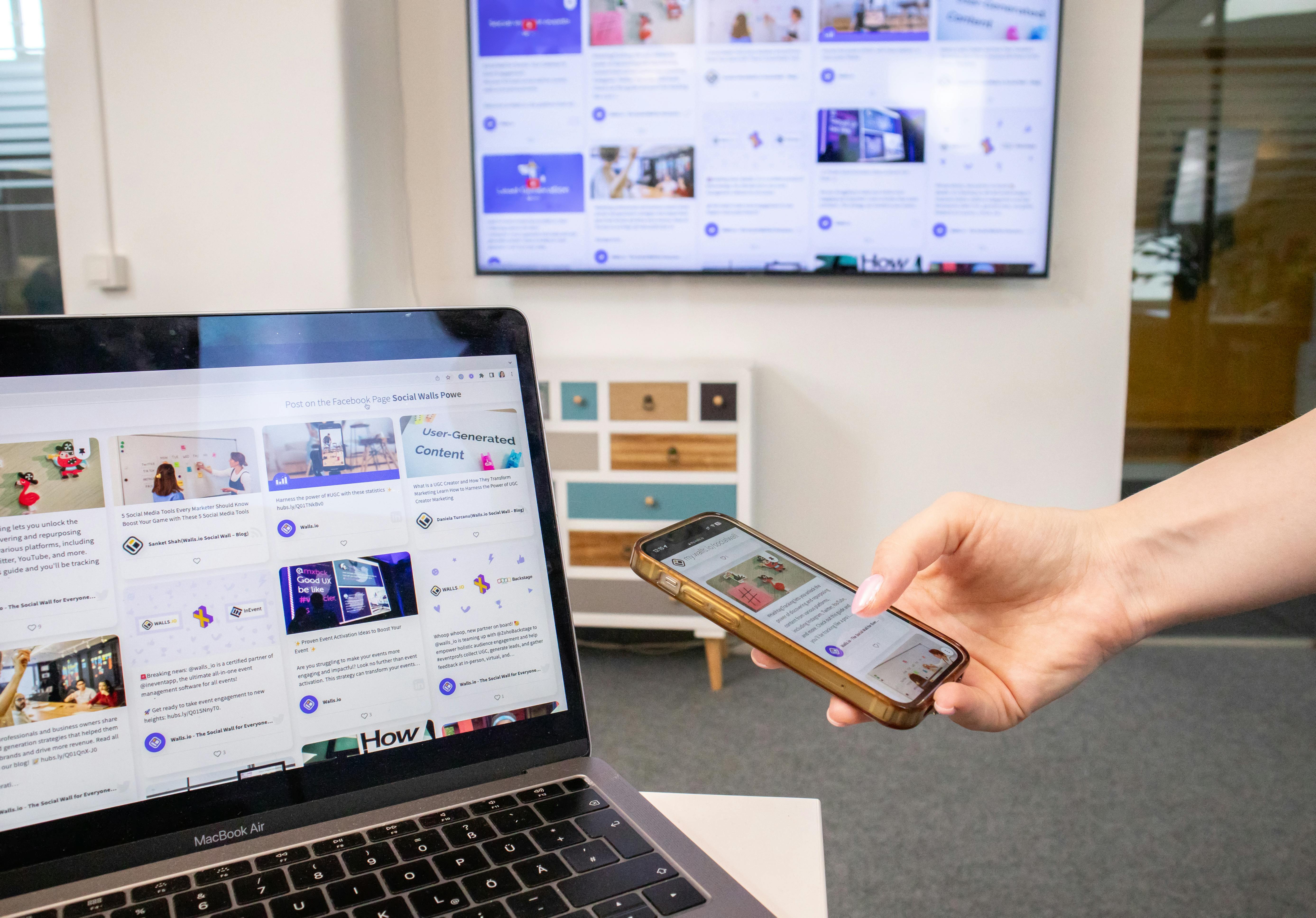
Audiences do not choose a single device and stay loyal to it. According to research published by the Pew Research Center on mobile technology and home broadband, mobile devices now account for a majority of online video consumption globally, but desktop and connected TV usage remains substantial and continues to grow. A creator whose content is only optimized for one device type is leaving a significant portion of their potential audience unreachable.
Scalable streaming infrastructure addresses this through device-agnostic player technology, specifically streaming players built on open web standards like HTML5 that render correctly across browsers, operating systems, and screen sizes without requiring platform-specific app development for each new device category. The best platforms for independent creators extend this further to include smart TV integrations, casting protocols like Chromecast and AirPlay, and dedicated mobile applications, all pulling from the same underlying content delivery layer.
For a creator trying to grow their audience as a content creator, this cross-platform consistency is not a luxury. A viewer who encounters buffering or a broken player on their preferred device rarely gives a second chance. Infrastructure that eliminates those friction points is infrastructure that directly protects audience retention.
Content Licensing Infrastructure and Distribution Rights Management
Distribution is not purely a technical problem. It is also a legal one. When an independent filmmaker or musician distributes their work across multiple platforms and regions, they need to ensure that the rights associated with that content are correctly assigned, tracked, and enforced. This is where content licensing infrastructure intersects with technical distribution systems.
A content licensing platform for agencies and educators must do more than serve video files. It needs to maintain metadata about each piece of content, including who created it, what rights they hold, what territories the content is licensed for, and what usage restrictions apply, and enforce those parameters at the delivery layer. This is often implemented through Digital Rights Management systems, or DRM, which encrypt content and require authenticated playback sessions before a video will play.
The U.S. Copyright Office provides detailed guidance on how content licensing works in practice, including the distinction between exclusive and non-exclusive licenses, synchronization rights for music paired with visual content, and the mechanisms through which creators can register and protect their original work. For musicians in particular, understanding synchronization rights is critical before distributing video content that combines original music with visual material, even on platforms where the creator owns both elements.
Creators who want to buy licensed educational videos from independent creators depend on this infrastructure being clean and trustworthy. Agencies and educational institutions will not license content from a platform whose rights management is opaque or unreliable. A robust licensing infrastructure is therefore a prerequisite for opening those revenue channels to independent creators.
Analytics Dashboards and Data-Driven Distribution Decisions
Understanding how content is performing is inseparable from making good distribution decisions. Modern scalable streaming infrastructure includes an analytics layer that gives creators visibility into where their audience is located, which devices they are using, how long they are watching, where they drop off, and how different pieces of content compare to one another over time.
An analytics dashboard for digital content creators translates raw playback data into actionable insights. A filmmaker might discover that their audience in the United Kingdom skews heavily toward mobile and evening viewing, prompting them to optimize thumbnails and titles for smaller screens. A musician might find that a behind-the-scenes video outperforms a polished music video in average watch time, suggesting that audience connection matters more to their viewers than production value.
The EFF’s work on creativity and innovation for independent creators highlights the importance of creators maintaining ownership of their audience data, not just access to aggregate statistics, but granular, portable data that creators can use to inform decisions on their own terms. Platforms that provide this level of transparency as part of their creator tools for monetizing video content online give independent creators the same strategic intelligence that major studios and labels have long had access to.

Monetization Infrastructure: Subscriptions, Licensing, and Direct Creator Revenue
The question of how independent creators actually get paid through streaming platforms is one that the industry has debated for years, and the infrastructure underlying monetization models matters as much as the revenue share percentages advertised in platform agreements.
A subscription-based video platform for niche content creators generates recurring revenue by charging viewers a monthly or annual fee for access to content. The infrastructure challenge here is maintaining a secure, reliable billing and access management system that correctly gates premium content while keeping the experience seamless for paying subscribers. Creators on such platforms benefit from predictable, recurring income rather than the per-view advertising revenue that dominates platforms like YouTube, where a creator needs millions of monthly views before seeing meaningful earnings.
For creators exploring how to monetize their videos outside of YouTube, subscription and licensing models represent a fundamentally different relationship with their audience, one based on direct value exchange rather than attention arbitrage. The ability to purchase video licenses for campaigns and educational use creates an additional revenue stream that scales independently of viewership numbers. A single licensing deal with an educational institution or a brand can generate more revenue for an independent filmmaker than thousands of ad-supported views.
The NEA’s Creativity Connects report on trends and conditions affecting U.S. artists has documented the economic fragility facing independent creators and the structural importance of diversified revenue streams in sustaining creative careers. Platforms that combine subscription access with licensing infrastructure and direct creator support tools are directly addressing this documented gap.
Community Infrastructure and Creator Development
Technology alone does not build a sustainable creator career. The platforms that have had the most lasting impact on independent creators are those that have invested in community infrastructure alongside technical infrastructure, including virtual creator meetups and networking platforms, mentorship programs, and structured support for early-stage creators who are still finding their audience.
A community for content creators to connect and grow provides something that distribution technology cannot: access to other creators at different stages of their journey, the ability to collaborate, and the kind of peer accountability that accelerates creative development. For musicians, this might mean connecting with filmmakers who need original scores for their projects. For filmmakers, it might mean finding editors, colorists, or producers who are also building their portfolios on the same platform.
Mentorship for early-stage digital content creators bridges the gap between having raw talent and knowing how to build a career around it. Distribution infrastructure can put a creator’s work in front of a global audience, but without guidance on how to engage that audience, build a release strategy, and manage the business side of creative work, many independent creators stall out before reaching sustainability.

Why the Infrastructure Behind Artramedia Is Built for Independent Creators
Artramedia was built from the ground up to address the specific distribution, monetization, and community needs of independent filmmakers, musicians, and video creators. As a platform to watch indie creator content online, Artramedia combines robust content delivery infrastructure with creator-facing tools designed to make professional-quality distribution accessible without requiring a studio budget or a technical team.
The platform supports multi-device streaming across web, mobile, tablet, and connected TV, with a content delivery architecture designed to maintain playback quality across varying network conditions. Creators on Artramedia have access to licensing tools that make their work available to agencies and educational institutions looking to find branded content for classroom or marketing use, as well as subscription and direct support mechanisms that allow their audience to fund their work directly.
With SoundPlay, Artramedia extends its infrastructure to serve musicians with the same depth of support offered to filmmakers and video creators, recognizing that the boundary between audio and visual storytelling is increasingly blurred and that musicians deserve a platform built to handle both dimensions of their creative output.
As Artramedia prepares to launch its MVP platform, now is the time for independent creators to get in early and be part of a streaming platform that pays content creators fairly and treats distribution not as a passive service but as an active investment in creator success.
The Future of Independent Creator Distribution
The direction of the industry is clear. Audiences are moving toward platforms that offer curated, creator-driven content without the algorithmic noise and ad interruptions that dominate mainstream video platforms. Independent filmmakers and musicians who position themselves now on platforms with serious, scalable streaming infrastructure will be better placed to capture that audience as it grows.
The technical components, including CDN architecture, adaptive bitrate streaming, multi-device player support, DRM, analytics dashboards, and monetization rails, are not abstract engineering concerns. They are the difference between a creator whose work reaches its intended audience reliably and a creator whose content is technically available but practically inaccessible to large portions of the people who would watch it.
Distribution infrastructure is creative infrastructure. Investing in the right platform is one of the most consequential decisions an independent creator can make.
Connect With Artramedia
We at Artramedia are building the infrastructure, tools, and community that independent filmmakers, musicians, and video creators need to distribute their work, grow their audience, and monetize their content on their own terms. Whether you are looking to stream original content, explore licensing opportunities, or join a growing community of independent creators, we invite you to reach out and learn more about how Artramedia can support your creative career. Get in touch with our team today.