
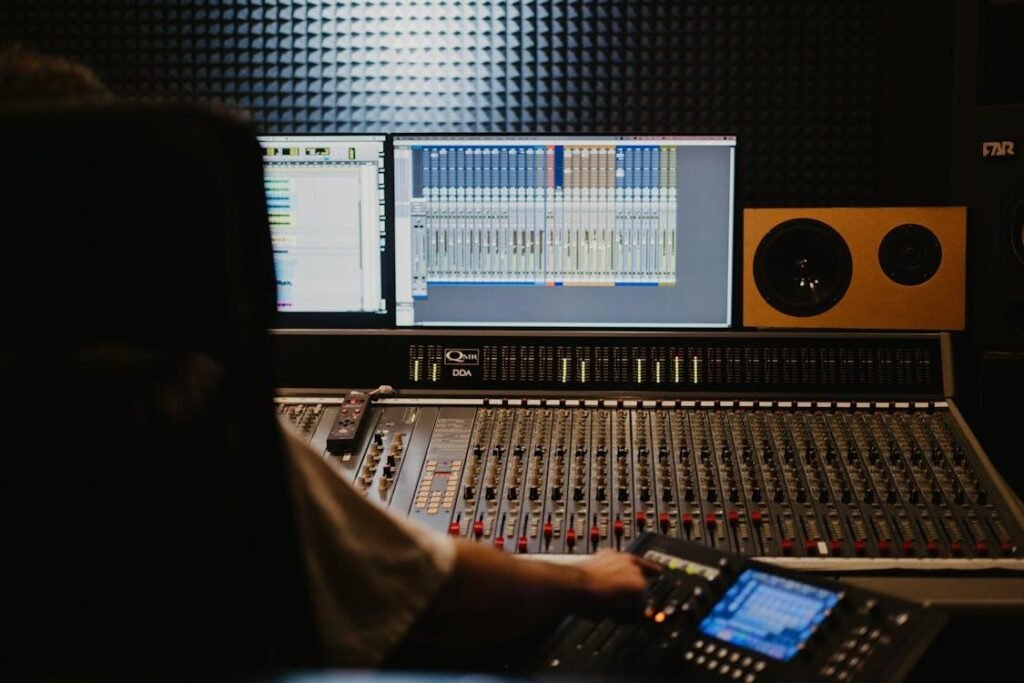
Sound is more than background texture. It shapes emotion, defines atmosphere, and guides audience perception. So, advanced sound design has become a defining element of impactful storytelling for musicians, filmmakers, podcasters, and digital creators. Through techniques such as spatial audio, frequency layering, and dynamic mixing, creators can build immersive sonic experiences that resonate deeply with listeners.
This blog explores how advanced sound design enhances storytelling and how musicians and creators can integrate technical innovation into their work to elevate emotional impact.
The Foundation of Emotional Sound
At its core, sound design is about shaping how audiences feel. A subtle reverb can create intimacy. A low-frequency rumble can introduce tension. Silence can amplify vulnerability.
Emotion in audio is often built through:
- Tone selection
- Texture development
- Spatial positioning
- Dynamic variation
When these elements are intentionally crafted, storytelling becomes multidimensional. Music no longer exists solely as melody and rhythm. Instead, it becomes a narrative environment.
For musicians, this means considering how every sonic layer contributes to mood. For filmmakers and podcasters, it means designing soundscapes that complement visual or spoken narratives. This is where advanced sound design moves beyond technical precision and becomes artistic storytelling.
Spatial Audio: Creating Immersive Environments
One of the most transformative developments in recent years is spatial audio. Unlike traditional stereo sound, spatial audio creates a three-dimensional listening experience. Sounds appear to move around the listener, offering depth and realism.
For musicians, spatial techniques allow instruments to occupy distinct positions within a sonic field. A guitar might feel close and personal, while background harmonies float behind the listener. For filmmakers and game creators, spatial design can simulate environments—rain falling overhead, footsteps approaching from behind, or ambient city noise surrounding the viewer.
Spatial audio is particularly effective when:
- Enhancing cinematic scores
- Designing immersive podcasts
- Creating experimental music projects
- Supporting interactive media
As distribution platforms increasingly support immersive formats, creators who understand spatial mixing gain a competitive advantage. Platforms like Artramedia recognize the importance of innovation in audio and provide opportunities for musicians and creators to showcase work that prioritizes high-quality production.
Frequency Layering: Building Depth and Clarity
Frequency layering involves carefully arranging sounds across the frequency spectrum to avoid muddiness while maximizing richness. Every instrument and sound occupies a range of frequencies. When these overlap excessively, clarity suffers.
Professional sound designers use equalization (EQ) and filtering to ensure that:
- Bass elements do not overpower mid-range vocals
- High-frequency textures enhance brightness without harshness
- Atmospheric layers add depth without masking key elements
In music production, frequency layering allows complex arrangements to remain clean and powerful. In film and media, it ensures dialogue remains intelligible even when sound effects and music are present.
Thoughtful layering also strengthens emotional response. Low frequencies often evoke power or suspense. Mid frequencies carry warmth and presence. High frequencies can signal excitement or tension.
Through advanced sound design, creators manipulate frequency relationships to guide listener attention and shape narrative intensity.
Dynamic Mixing: Controlling Energy and Movement
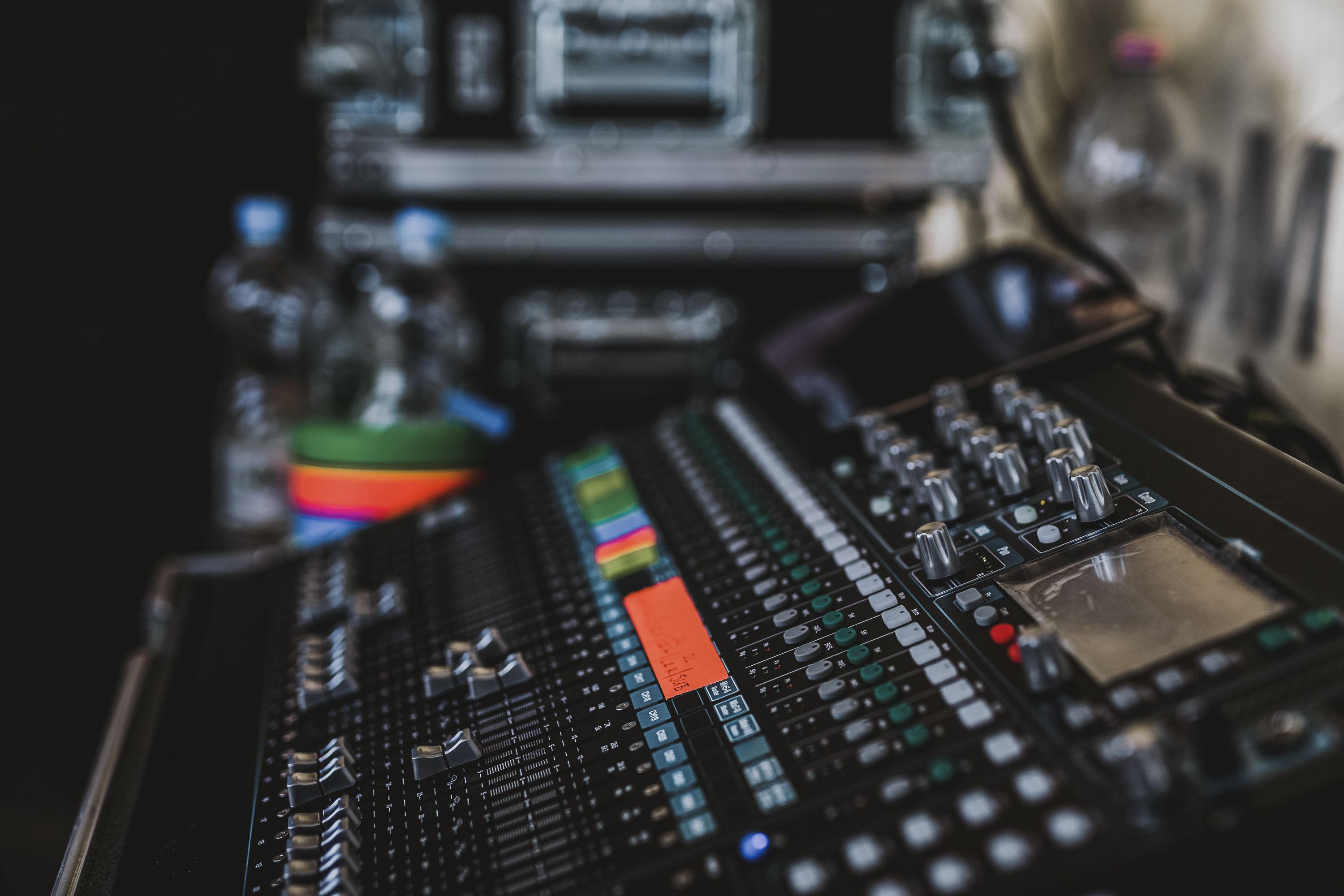
Dynamics refer to the variation in volume and intensity within a piece of audio. Without dynamic contrast, content feels flat and lifeless. With careful dynamic mixing, storytelling gains momentum.
Dynamic mixing techniques include:
- Automation of volume changes
- Strategic use of compression
- Emphasis on crescendos and decrescendos
- Controlled silence
For musicians, dynamic contrast helps songs breathe. Verses may feel intimate and restrained, while choruses expand dramatically. For filmmakers, subtle shifts in volume can foreshadow dramatic moments.
Over-compression, a common issue in digital production, can reduce emotional nuance. Skilled audio creators understand when to allow peaks and when to maintain restraint. Balanced dynamic range ensures both clarity and impact.
Integrating Sound Design into Music Creation
Musicians are increasingly acting as their own producers and engineers. This requires a deeper understanding of sound design principles.
Modern music production involves:
- Synthesizing unique textures
- Designing ambient layers
- Crafting transitions and effects
- Shaping reverb environments
Genres such as electronic music, ambient, cinematic pop, and experimental rock rely heavily on sound design innovation. Even acoustic artists now incorporate subtle environmental textures to enhance depth.
Musicians who invest in refining their sound identity often stand out in saturated markets. Platforms like Artramedia create opportunities for artists to distribute technically refined and creatively ambitious projects.
Sound Design in Multimedia Storytelling
Beyond music, audio creators are working in podcasts, documentaries, branded content, and digital series. In these formats, sound becomes a storytelling device equal to visuals.
Consider a documentary scene. Ambient sound establishes location. Subtle musical cues reinforce emotion. Carefully designed transitions maintain pacing. Each element is deliberate.
In podcasting, immersive audio can replace visual storytelling. Well-designed sonic cues transport listeners into scenes. For branded content, professional sound design enhances credibility and emotional appeal.
Technology and Tools Shaping the Craft
The evolution of digital audio workstations (DAWs), plugins, and AI-assisted tools has expanded possibilities. Creators now have access to:
- High-quality virtual instruments
- Realistic reverb simulations
- Precision equalization tools
- Immersive mixing software
While technology enhances accessibility, expertise remains crucial. Tools alone do not create impact; understanding how to apply them does.

At Artramedia, we believe advanced sound design deserves a platform that honors creative excellence. We are a platform that supports and develops creator careers, offering a professional environment for musicians and filmmakers alike. Through our creator tools for monetizing video content online, we help artists grow sustainably. If you are exploring alternatives to YouTube for creator monetization or seeking a community for content creators to connect and grow, we invite you to join us and elevate your work with purpose and integrity.