
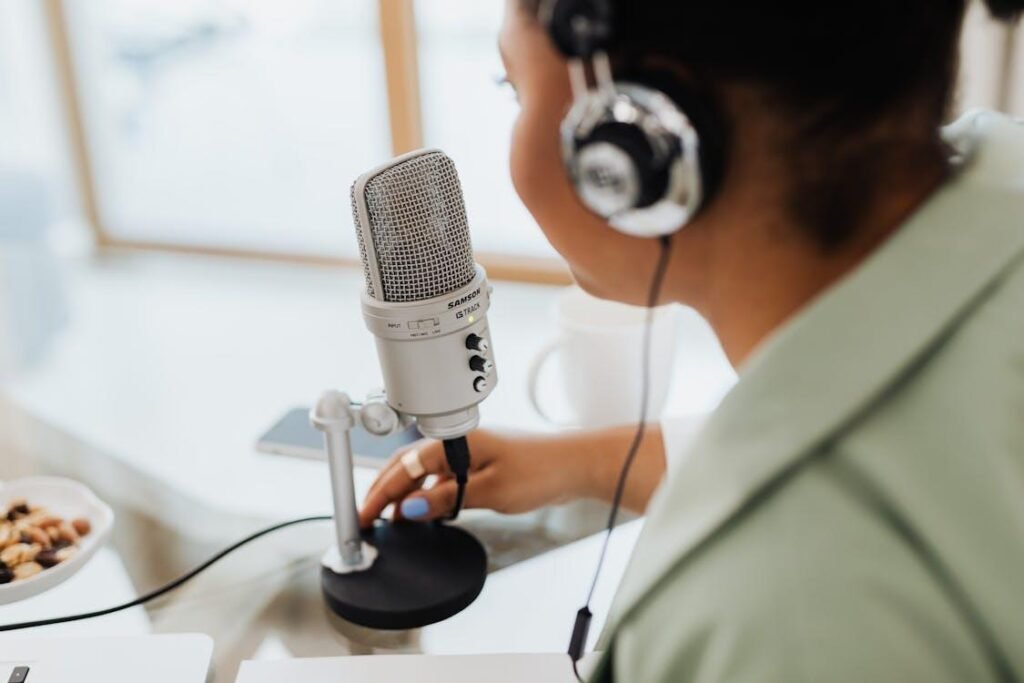
Music has always played a central role in shaping societies, reflecting shared emotions, social movements, and generational identities. In today’s digital environment, musicians and audio creators extend this influence even further. Through streaming platforms, podcasts, sound design, and independent releases, audio creators are shaping conversations and cultural moments that reach far beyond traditional music spaces. Understanding music’s cultural impact helps explain why audio storytelling remains one of the most powerful forces in modern media.
As technology expands access and distribution, musicians and audio creators now influence not only entertainment but also education, activism, branding, and community formation. Their work resonates across industries and cultures, shaping how people think, feel, and connect.
Music as a Reflection of Social Change
Music often mirrors the social climate in which it is created. Throughout history, musicians have responded to political shifts, cultural movements, and collective experiences through sound and lyrics. In the digital age, this responsiveness has accelerated.
Audio creators can react to events in real time, releasing music or commentary that captures the emotional tone of a moment. This immediacy strengthens music’s cultural impact, allowing creators to participate directly in cultural dialogue rather than observing it from a distance.
The Expanding Role of Audio Storytelling
Modern audio creation goes beyond traditional songs. Podcasts, spoken-word performances, soundscapes, and experimental formats now play a significant role in shaping cultural narratives. These formats allow creators to explore ideas in depth, blending information, emotion, and storytelling.
Audio storytelling’s intimacy sets it apart. Listeners often engage privately—through headphones or personal devices—creating a strong emotional bond. This closeness amplifies music’s cultural impact, as messages feel personal rather than performative.
Cultural Influence Beyond the Charts
While chart rankings and streaming numbers offer visibility, cultural influence often extends further. A song, sound clip, or audio narrative can inspire conversations, influence fashion, shape language, or become part of collective memory.
Creators who focus on meaning rather than metrics tend to have the most lasting influence. Their work becomes embedded in cultural moments, demonstrating that music’s cultural impact is driven by resonance rather than popularity alone.
Community Formation Through Sound
Music and audio content naturally bring people together. Fans gather around shared listening experiences, live performances, and digital discussions. These communities form around values, identity, and emotional connection.
Audio creators who engage their audiences authentically foster strong cultural communities. These communities amplify messages organically, reinforcing music’s cultural impact through shared interpretation, discussion, and participation.
Technology’s Role in Cultural Reach
Technology has expanded how music influences culture. Digital distribution allows independent creators to reach global audiences without traditional gatekeepers. Social platforms amplify sound through short clips, trends, and remixes.
This accessibility democratizes cultural influence. More voices can contribute to cultural narratives, broadening representation and perspective. Platforms like Artramedia exist within this ecosystem, supporting creators across audio and visual disciplines as they navigate modern distribution.

Music as a Tool for Identity and Expression
Music often serves as a marker of identity. Individuals align with genres, artists, or movements that reflect their values and experiences. Audio creators contribute to this identity formation by offering soundtracks for personal and collective moments.
Through this role, music’s cultural impact extends into everyday life—shaping moods, memories, and social belonging. Music becomes not just content but a companion to lived experience.
Cross-Disciplinary Cultural Influence
Modern culture is increasingly interdisciplinary. Music intersects with film, digital art, fashion, and education. Audio creators collaborate across mediums, expanding the reach and relevance of their work.
These collaborations strengthen cultural narratives by blending perspectives. When music supports visual storytelling or educational content, its cultural impact multiplies across formats and audiences.
Authenticity and Cultural Trust
Cultural influence depends on trust. Audiences are more receptive to creators who express authenticity and integrity. When music reflects genuine experience or thoughtful intention, it resonates more deeply.
Creators who remain grounded in authenticity build credibility over time. This trust reinforces music’s cultural impact, allowing creators to influence conversations without relying on trends or manufactured visibility.
Long-Term Cultural Legacy
While trends fade, meaningful music endures. Songs and audio narratives that capture universal emotions or historical moments remain relevant across generations. This longevity defines true cultural impact.
By focusing on storytelling, emotion, and purpose, musicians and audio creators contribute to lasting cultural legacies. Their work continues to inspire, educate, and connect long after its initial release.

At Artramedia, we support creators amplifying music’s cultural impact while building sustainable careers. We offer a streaming platform that pays content creators fairly, guidance on how to monetize your videos outside of YouTube, and access to a subscription-based video platform for niche content creators. We also provide a community for content creators to connect and grow, supporting musicians and audio storytellers as they reach audiences with purpose.
Get in touch with us to spread your art and music to the world.